
What is Egg Freezing?
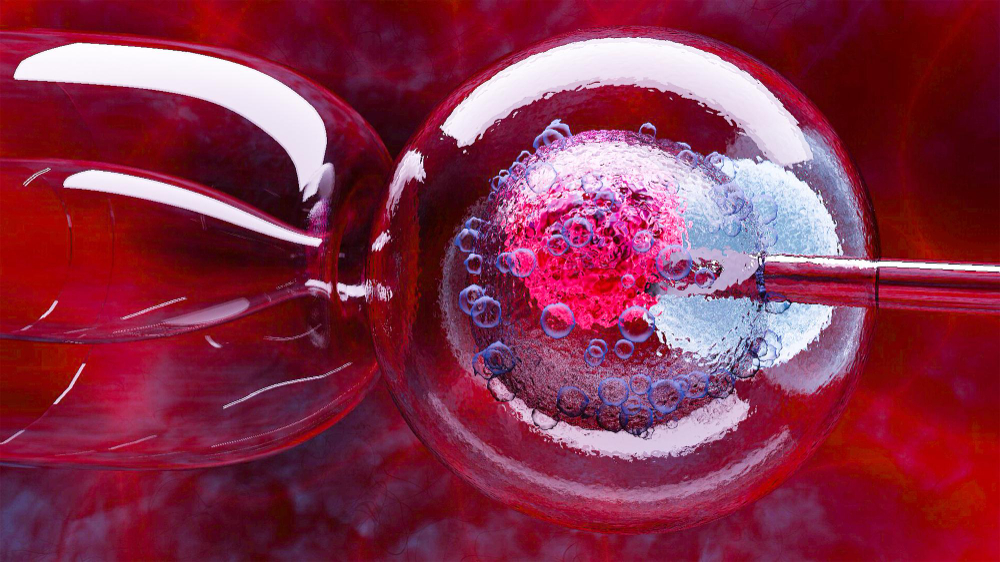
Egg freezing is a way to preserve a woman’s eggs for future use. Doctors call this process oocyte cryopreservation. Many women choose egg freezing to keep their fertility options open. In this process, eggs are collected, frozen, and stored. Later, these eggs can be thawed and used for pregnancy. Egg freezing helps women who want to delay having children for personal or medical reasons.
Who Should Consider Egg Freezing?
Not everyone needs egg freezing. However, some women may benefit more than others. For example, you may consider egg freezing if:You want to delay pregnancy for career or education reasons.You have a medical condition, like cancer, that may affect fertility.Your family has a history of early menopause.You are not ready to have children but want to keep your options open.
Moreover, women in their late 20s to early 30s often have the best results. Still, every situation is unique. Therefore, it is important to talk to a fertility specialist.
How Does Egg Freezing Work?
The egg freezing process involves several steps. First, you will have hormone injections to help your ovaries produce more eggs. Next, doctors monitor your progress with blood tests and ultrasounds. When your eggs are ready, a doctor collects them using a thin needle. After collection, the eggs are quickly frozen and stored in a special facility. Later, you can use these eggs for in vitro fertilization (IVF) if you wish to become pregnant.
Benefits and Risks
Egg freezing offers many benefits. For instance, it gives you more control over your fertility. It can also help women facing medical treatments that may harm their eggs. However, there are some risks to consider:Hormone injections may cause side effects like bloating or mood changes.The egg retrieval process is minor surgery and may cause discomfort.Not all frozen eggs will survive the thawing process.Pregnancy is not guaranteed, even with frozen eggs.
Still, most women recover quickly and feel well after the procedure. According to the CDC, serious complications are rare.
Success Rates and Factors
Egg freezing success rates depend on many factors. Age is one of the most important. Younger women usually have healthier eggs. The number of eggs collected also matters. In addition, the clinic’s experience can affect results. According to medical studies, women under 35 have higher chances of pregnancy with frozen eggs. However, success rates drop as women get older. Therefore, it is best to discuss your chances with your doctor.
Costs and Accessibility
Many people ask, “How much does egg freezing cost?” The answer varies. In the United States, one cycle can cost between $6,000 and $15,000. This price includes medications, procedures, and storage fees. Some clinics offer payment plans or packages. However, most insurance plans do not cover egg freezing unless it is for medical reasons. It is wise to check with your provider before starting the process.
Lifestyle Tips Before and After Egg Freezing
Before egg freezing, you can take steps to improve your health. For example:Eat a balanced diet rich in fruits and vegetables.Exercise regularly, but avoid extreme workouts.Avoid smoking and limit alcohol intake.Manage stress with relaxation techniques.
After the procedure, rest for a day or two. Drink plenty of water and follow your doctor’s advice. If you notice severe pain or fever, contact your clinic right away.
Common Myths and Facts
Myth: Egg freezing guarantees a baby. Fact: While it helps, pregnancy is not certain.Myth: Only older women freeze eggs. Fact: Many younger women choose egg freezing for future planning.Myth: The process is unsafe. Fact: Most women have safe and smooth experiences.Myth: Frozen eggs last only a few years. Fact: Eggs can be stored safely for many years.
Prevention and Future Outlook
Egg freezing is not for everyone, but it offers hope to many. As technology improves, success rates may rise. More clinics now offer this service, making it easier to access. In the future, egg freezing may become even safer and more affordable. If you are thinking about your fertility, early planning can help. Always seek advice from a trusted fertility specialist.
Consult a fertility specialist for personalized advice on egg freezing.