
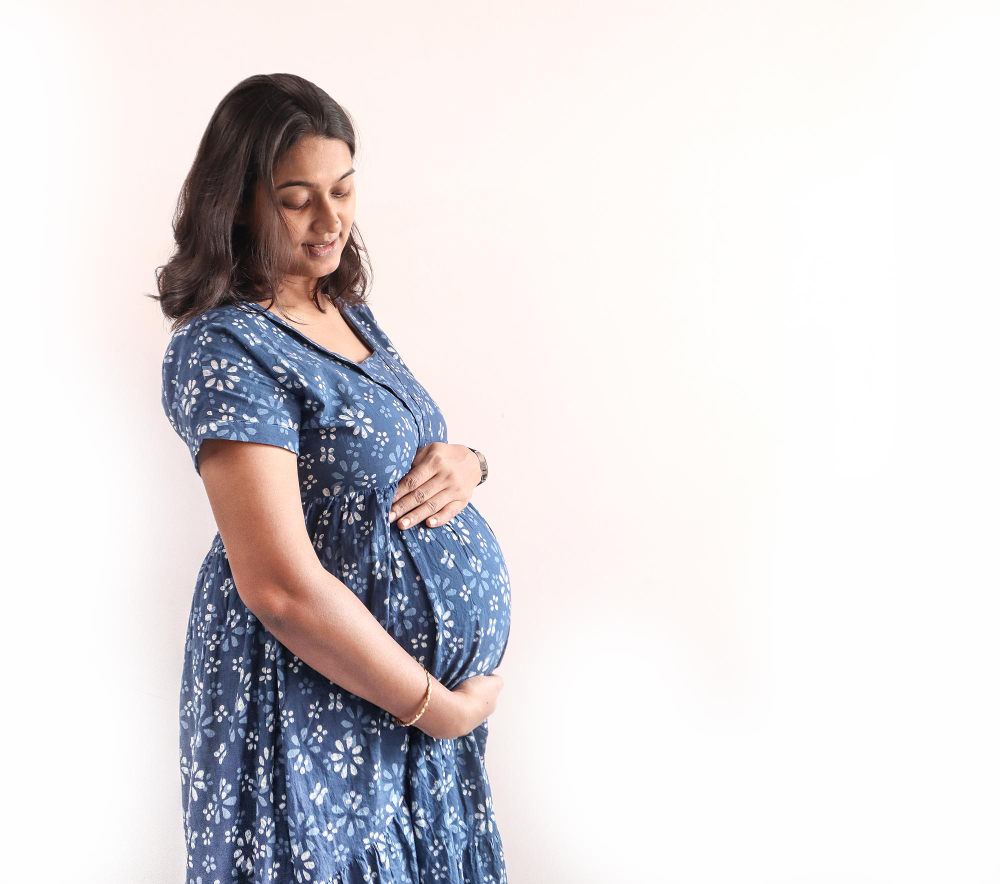
What is an Ectopic Pregnancy?
An ectopic pregnancy happens when a fertilized egg grows outside the uterus. Usually, this egg attaches inside a fallopian tube. Because of this, it is sometimes called a “tubal pregnancy.” However, it can also occur in other places, like the ovary or abdomen. Ectopic pregnancy is not safe for the mother or the baby. In fact, it can be life-threatening if not treated quickly. Understanding ectopic pregnancy is important because early care can save lives.
Common Symptoms
At first, symptoms of an ectopic pregnancy may seem like a normal pregnancy. But, as it grows, problems can appear. Watch for these signs:Sharp or stabbing pain in the lower belly or pelvisVaginal bleeding that is not your periodShoulder pain, especially when lying downFeeling dizzy or faintWeakness or low blood pressure
Sometimes, symptoms can be mild at first. However, they can get worse quickly. If you notice any of these, seek help right away.
Causes and Risk Factors
There are several reasons why an ectopic pregnancy may happen. Often, it is due to a problem in the fallopian tubes. For example, a tube may be blocked or damaged. This keeps the egg from reaching the uterus. Here are some common risk factors:Previous ectopic pregnancyHistory of pelvic infections, like pelvic inflammatory disease (PID)Smoking cigarettesHaving surgery on the fallopian tubesGetting pregnant with an intrauterine device (IUD) in placeFertility treatments or medicines
Even so, many women with ectopic pregnancy have no known risk factors. Therefore, it is important to know the symptoms.
How Ectopic Pregnancy is Diagnosed
Doctors use a few steps to diagnose an ectopic pregnancy. First, they ask about your symptoms and medical history. Next, they may do a pelvic exam. Then, they often order blood tests to check pregnancy hormone levels. An ultrasound scan helps show where the pregnancy is growing. Sometimes, more than one test is needed to be sure. Early diagnosis is key to safe treatment.
Treatment Options
Treatment depends on how early the ectopic pregnancy is found. There are two main options:Medicine: If found early, a medicine called methotrexate can stop the pregnancy from growing. This avoids surgery in many cases.Surgery: If the pregnancy is larger or causing bleeding, surgery may be needed. Doctors remove the ectopic tissue and, if needed, repair the tube.
After treatment, follow-up visits are important. This helps make sure all pregnancy tissue is gone and you are healing well.
Prevention and Lifestyle Guidance
While not all ectopic pregnancies can be prevented, some steps may lower your risk. For instance:Quit smoking if you smokeTreat any pelvic infections quicklySee your doctor for regular check-upsTalk to your doctor before trying to get pregnant, especially if you have risk factors
Healthy habits and early care can make a big difference. Even so, sometimes ectopic pregnancy happens without warning.
When to Seek Medical Help
If you have sudden, sharp belly pain or heavy bleeding, get help right away. Also, if you feel faint, dizzy, or weak, call emergency services. Early treatment can save your life. Do not wait if you think something is wrong.
In summary, knowing the signs and risks of ectopic pregnancy can help you act fast. If you suspect an ectopic pregnancy, consult a healthcare specialist for personalized advice and care.