
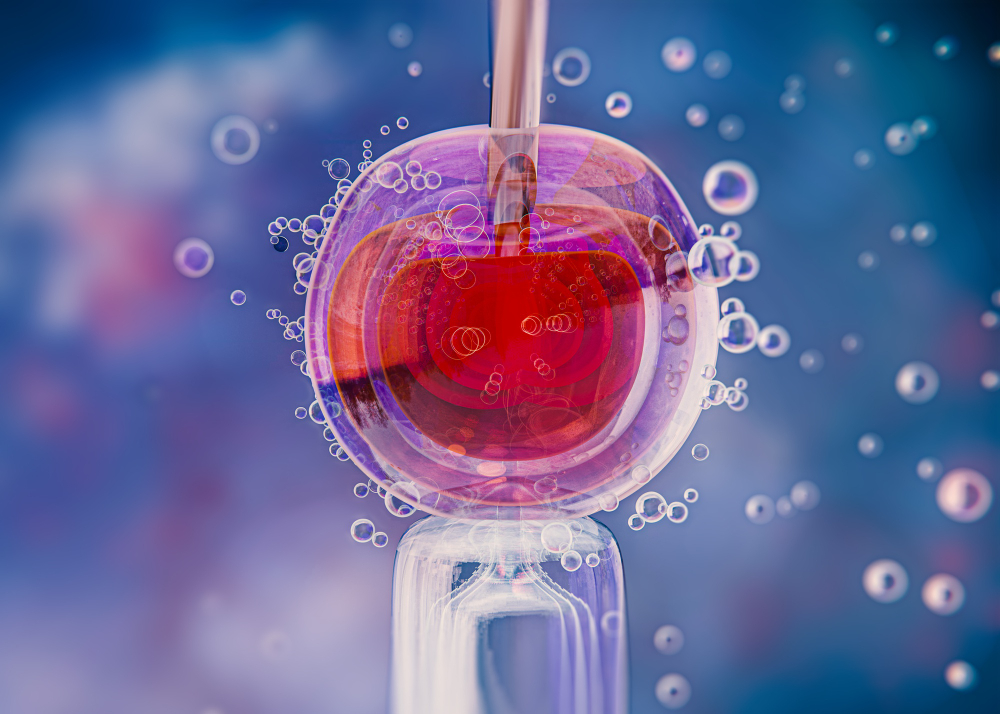
What is Blastocyst Culture?
Blastocyst culture is a special step in in vitro fertilization (IVF). In this process, embryos are grown in the lab for five to six days. At this stage, the embryo is called a blastocyst. Many clinics now use blastocyst culture to improve IVF results. This method helps doctors choose the healthiest embryos for transfer. Because of this, blastocyst culture is becoming more popular in fertility centers worldwide.
How Does Blastocyst Culture Work?
First, eggs are collected from the ovaries. Next, these eggs are fertilized with sperm in a lab. After fertilization, the embryos begin to grow. Usually, embryos are watched for two to three days. However, with blastocyst culture, they are kept in the lab for up to six days. During this time, only the strongest embryos reach the blastocyst stage. Then, one or two blastocysts are chosen for transfer into the uterus. This step is called IVF blastocyst transfer.
Benefits of Blastocyst Culture
There are several reasons why blastocyst culture is helpful in IVF:Better embryo selection: Only the healthiest embryos reach the blastocyst stage.Higher success rates: Studies show that blastocyst culture can improve pregnancy rates.Lower risk of multiple births: Doctors can transfer fewer embryos, reducing the chance of twins or triplets.Improved timing: The uterus is more ready for a blastocyst, which may help with implantation.
According to the American Society for Reproductive Medicine, blastocyst culture can help many couples have a healthy pregnancy.
Who Can Benefit from Blastocyst Culture?
Not everyone needs blastocyst culture. However, it can be helpful for:Couples with many good-quality embryosWomen who have had failed IVF cycles beforePatients who want to lower the risk of multiple birthsPeople using preimplantation genetic testing (PGT)
Still, your doctor will help decide if blastocyst culture is right for you. In some cases, it may not be the best choice, especially if there are only a few embryos.
Risks and Considerations
While blastocyst culture has many benefits, there are some things to think about:Fewer embryos may survive: Not all embryos reach the blastocyst stage.Cycle cancellation: If no embryos become blastocysts, there may be no transfer.Cost: Blastocyst culture can be more expensive than standard embryo culture.
Even though these risks exist, many clinics find that the benefits outweigh the drawbacks. However, it is important to talk with your fertility team about your options.
Success Rates and What to Expect
Blastocyst culture success rates are often higher than traditional embryo transfer. Because only the strongest embryos are chosen, the chance of pregnancy goes up. According to recent studies, live birth rates after blastocyst transfer can be 40% or higher for women under 35. However, success depends on many factors, such as age, embryo quality, and clinic experience. It is important to remember that results can vary from person to person.
Frequently Asked Questions
Is blastocyst culture safe? Yes, it is considered safe and is used in many IVF clinics worldwide.Does blastocyst culture increase the chance of twins? No, it may lower the risk because fewer embryos are transferred.Can all embryos reach the blastocyst stage? No, only the healthiest embryos usually make it to this stage.Is blastocyst culture available everywhere? Most large fertility centers offer this service, but availability may vary by location.
Conclusion and Next Steps
In summary, blastocyst culture is a helpful tool in IVF. It allows doctors to select the best embryos and may improve your chances of pregnancy. However, it is not right for everyone. Therefore, consult a fertility specialist for personalized advice on blastocyst culture. They can help you decide if this option fits your needs and goals.